Have a thesis. Here's mine.
Over ten years investing. I'll show you, straight up, why I believe in the One Piece Card Game.

My number one rule, the one I repeat to every beginner: never buy anything without a thesis. A thesis is your answer to a single question: why will this asset be worth more tomorrow than today?
My thesis, in three pillars
The model already works: Pokémon
Let's start with the proof. The Pokémon TCG has been around for nearly 30 years. Over three decades it has become a mature market: some of its cards have changed hands for several million, and above all, its value has appreciated over time, set after set. This isn't a theory, it's hindsight. The One Piece TCG is only 4 years old.
The model is proven. One Piece is only at the start of its curve.
The license is big enough to follow
The question is whether One Piece carries as much weight as Pokémon. It's the best-selling manga in history, and the machine is accelerating: 30 years of the manga in 2027, an anime reboot with "The One Piece" by Wit Studio, a live-action Netflix series greenlit for around a dozen seasons, and near-endless spin-off potential. Every project brings a new wave of fans, and every wave of fans is future demand for the cards.
Fans who identify
And this is where One Piece hits hardest. Here, people don't follow a license, they identify with it. The characters, the flag, the idea of freedom: fans make them their own and carry them like their own. You're not buying a piece of cardboard, you're buying your character. It's the most durable engine there is for a collection, and it already spills far beyond the cards.
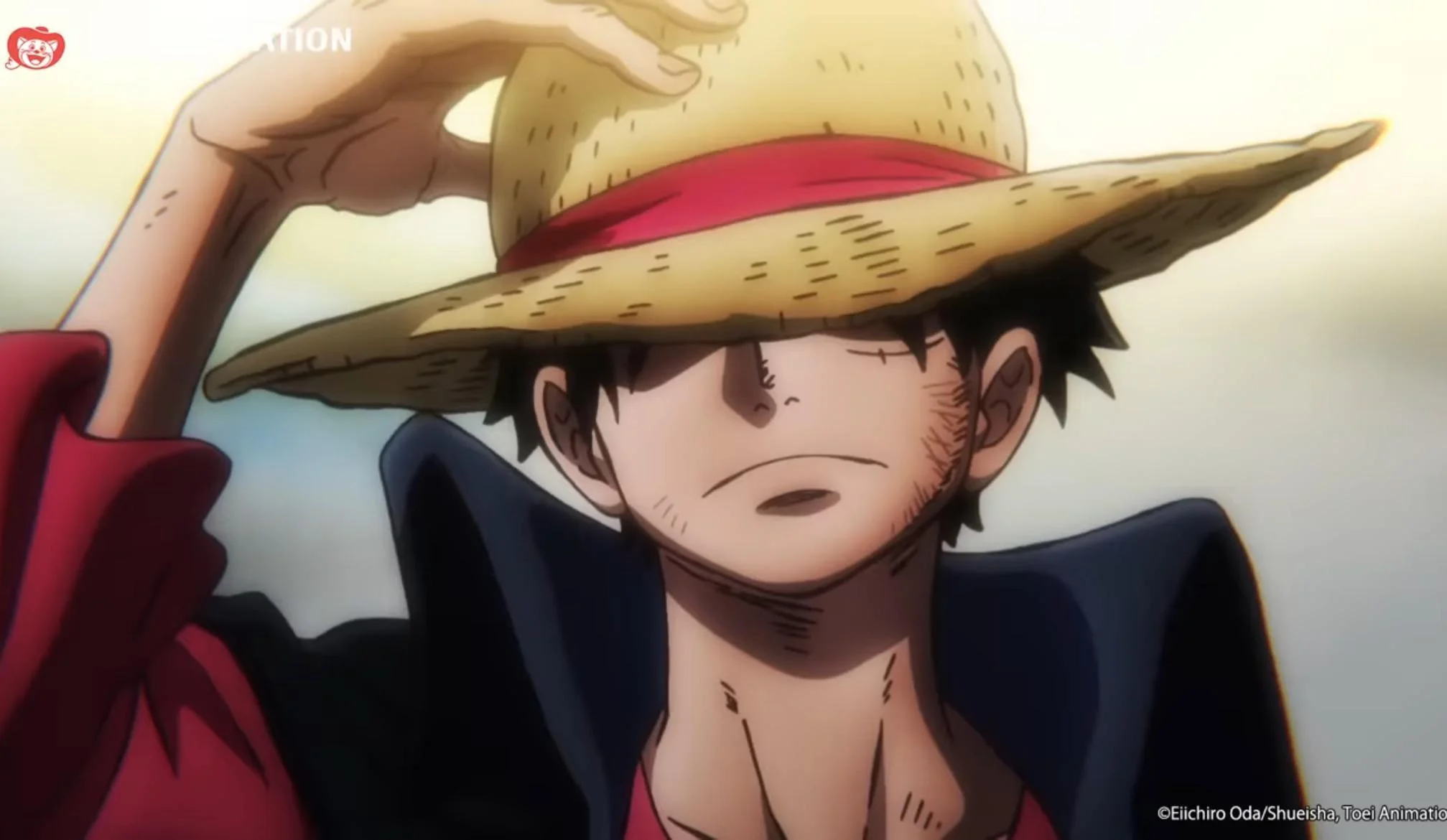
Global stars claim it
IShowSpeed, Inoxtag and other creators among the most-followed openly claim Luffy.
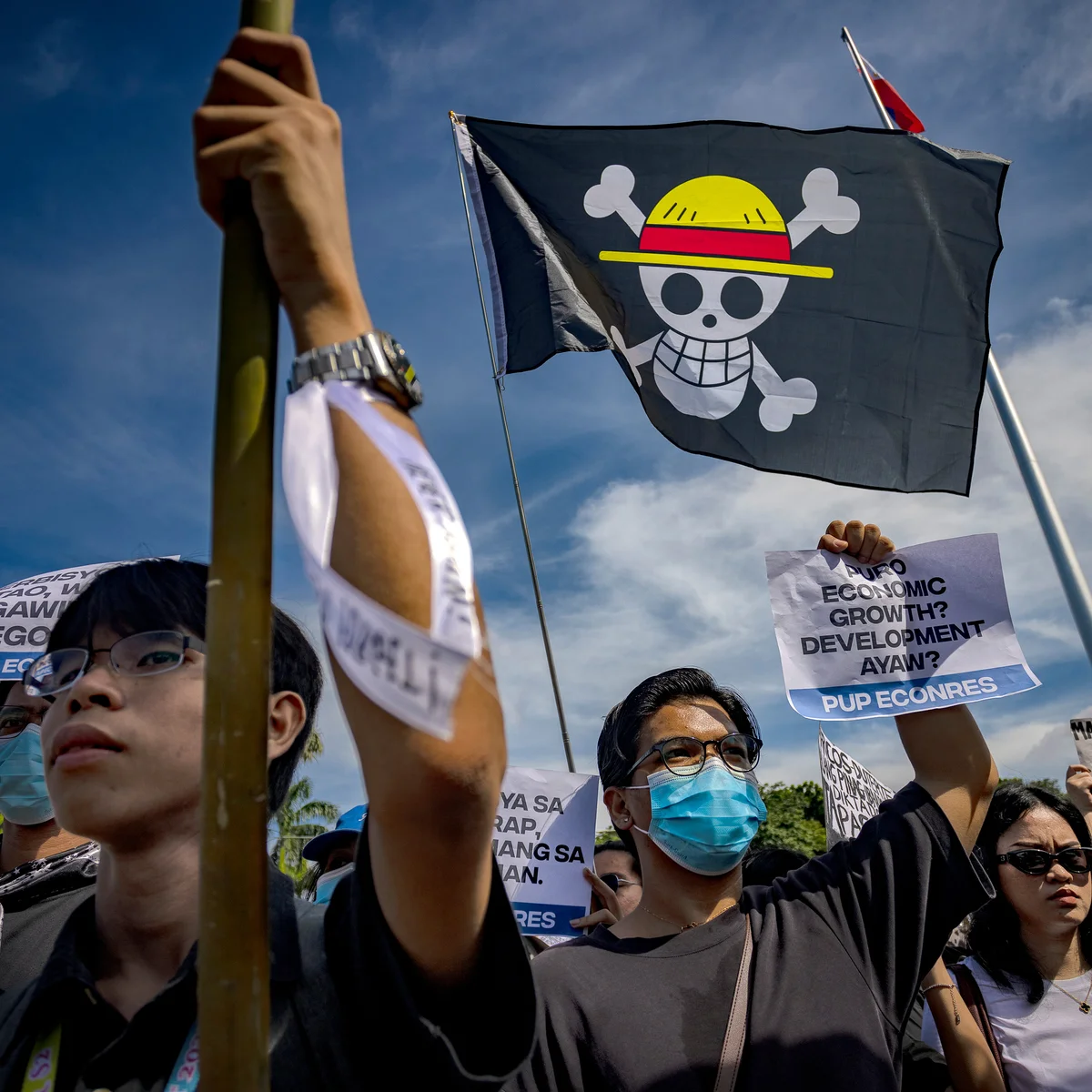
A flag turned banner
Protesters raised the One Piece flag to defy those in power. Fiction became a very real rallying symbol.
A proven model, a license at its peak, a community that identifies.
That's why I believe in it.
2027: The year OPTCG explodes?
Four catalysts line up over twelve months.
Four catalysts aligned over twelve months. Historically, it's the products bought before this kind of wave, at normal print runs, that benefit the most.
To wrap up, the 5 beginner mistakes
Buying at peak hype
FOMO at a set's release makes you pay top price at the worst moment.
Buying products printed in huge quantities
Bandai prints heavily when everyone is watching. Supply follows the hype.
Ignoring condition
A damaged card loses most of its value, even if it's rare.
Betting everything on one product
One set, one bet: the best way to take it all on the chin at once.
Thinking short term
The realistic horizon is 5 years and up. Patience makes the return.
Your move
You have the thesis and the method. Next up: explore the game set by set and understand the cards that gain value.